If you’ve ever shopped for bags, shoes, furniture or jackets, you’ve probably seen the term PU leather. It often looks like real leather, costs less and is labeled as “vegan” or “synthetic.” But what does PU leather actually mean?
In this post, we’ll break down the meaning of PU leather, how it’s made, its pros and cons and how it compares to genuine leather—so you can decide if it’s the right material for you.
What Does PU Leather Mean?
PU leather stands for polyurethane leather. It is a synthetic leather made by coating a fabric base (usually polyester or cotton) with a layer of polyurethane, a type of plastic.
PU leather is designed to look and feel like real leather but it does not come from animal hides. Because of this, it’s often marketed as:
- Vegan leather
- Faux leather
- Artificial leather
While these terms are sometimes used interchangeably, PU leather is a specific type of faux leather.
How Is PU Leather Made?
The production of PU leather typically involves three main steps:
- Base fabric
A woven or non-woven fabric (like polyester) is used as the foundation. - Polyurethane coating
A liquid polyurethane layer is applied to the fabric surface. - Texturing and finishing
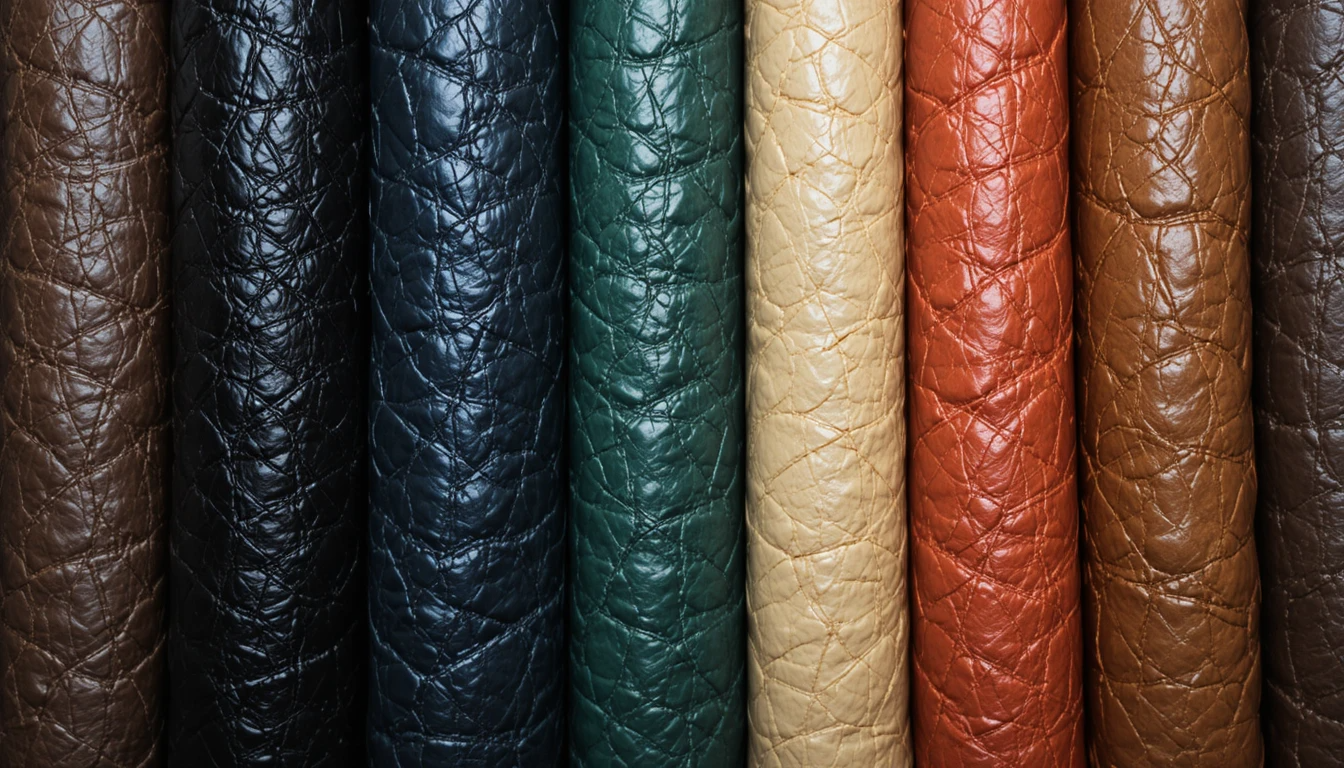
The surface is embossed to mimic natural leather grain then dyed and finished for color, shine or softness.
Unlike real leather, PU leather does not require tanning animal hides which makes it faster and cheaper to produce.
Is PU Leather Real Leather?
No—PU leather is not real leather.
Real leather is made from animal skin, while PU leather is entirely synthetic. However, high-quality PU leather can look very similar to genuine leather, especially when new.
A quick way to tell the difference:
- Real leather has natural imperfections and a distinct smell
- PU leather has a more uniform texture and often smells like plastic
Advantages of PU Leather
PU leather is popular for several reasons:
1. Affordable
PU leather is significantly cheaper than genuine leather, making it accessible for budget-friendly products.
2. Vegan and Animal-Free
Because it contains no animal products, PU leather is a common choice for vegan and cruelty-free brands.
3. Easy to Clean
PU leather is water-resistant and doesn’t absorb spills easily. A damp cloth is usually enough for cleaning.
4. Consistent Appearance
Unlike real leather, PU leather doesn’t have natural flaws, which makes it ideal for mass production with uniform quality.
5. Lightweight
It’s generally lighter than genuine leather, which is useful for bags, clothing and accessories.
Disadvantages of PU Leather
Despite its benefits, PU leather has some drawbacks:
1. Less Durable
PU leather tends to peel or crack over time, especially with heavy use or exposure to heat and sunlight.
2. Not Breathable
Unlike real leather, PU leather doesn’t breathe well, which can make it uncomfortable for shoes or clothing.
3. Shorter Lifespan
Genuine leather can last decades with proper care, while PU leather usually lasts only a few years.
4. Environmental Concerns
Although animal-free, PU leather is plastic-based and not biodegradable, raising sustainability concerns.
PU Leather vs. Genuine Leather
| Feature | PU Leather | Genuine Leather |
|---|---|---|
| Material | Synthetic (polyurethane) | Animal hide |
| Price | Lower | Higher |
| Durability | Moderate | High |
| Breathability | Low | High |
| Maintenance | Easy | Requires care |
| Vegan | Yes | No |
Common Uses of PU Leather
PU leather is widely used across many industries, including:
- Handbags and wallets
- Shoes and boots
- Jackets and fashion accessories
- Sofas and office chairs
- Car interiors
- Phone cases and belts
Its versatility and low cost make it a popular alternative to real leather in everyday products.
Is PU Leather Good or Bad?
PU leather isn’t inherently “good” or “bad”—it depends on how you plan to use it.
PU leather is a good choice if you:
- Want a leather-like look on a budget
- Prefer vegan or animal-free materials
- Need something easy to clean and maintain
It may not be ideal if you:
- Want long-term durability
- Prefer natural materials
- Are concerned about plastic-based products
Final Thoughts: PU Leather Meaning Explained
To sum it up, PU leather means a synthetic, polyurethane-based material designed to imitate real leather. It offers affordability, convenience and a cruelty-free option but comes with trade-offs in durability and environmental impact.
Understanding what PU leather really is helps you make smarter buying decisions—whether you’re shopping for fashion, furniture or accessories.
If you’d like, I can also:
- Rewrite this for SEO
- Make it shorter or more casual
- Add product examples
- Compare PU leather with PVC or vegan leather