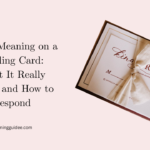
If you’ve received a wedding invitation and noticed the letters “RSVP” on the card, you might wonder what it actually means—and how you’re supposed to respond. Don’t worry, you’re not alone. RSVP is a common wedding term but its meaning and etiquette can still feel confusing.
In this guide, we’ll explain the RSVP meaning on a wedding card, why it’s important and exactly how to reply the right way.
What Does RSVP Mean?
RSVP comes from the French phrase “Répondez s’il vous plaît,” which translates to “Please respond.”
When you see RSVP on a wedding invitation, the couple is politely asking you to let them know whether or not you will attend their wedding.
In simple terms:
- Yes, I’ll be there
- No, I won’t be able to attend
That’s it—RSVP is all about confirming your attendance.
Why RSVP Is Important for Weddings
RSVPs aren’t just a formality. They play a big role in wedding planning. Couples rely on accurate responses to:
- Finalize guest counts
- Arrange seating charts
- Order food and drinks
- Print place cards and favors
- Stay within their budget
When guests don’t RSVP, it can cause unnecessary stress and extra costs for the couple. Responding on time is one of the easiest ways to show respect and support.
Where You’ll See RSVP on a Wedding Invitation
RSVP details usually appear in one of these ways:
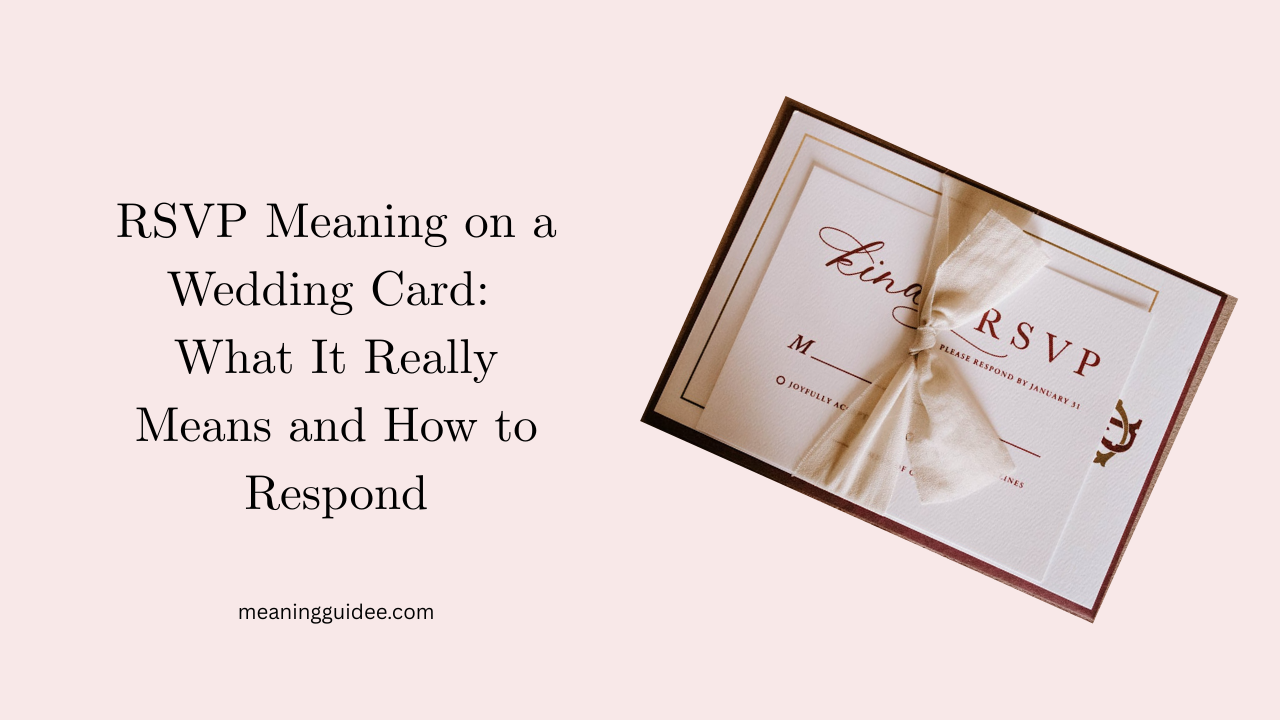
- A separate RSVP card included with the invitation
- A line on the invitation itself (e.g. “Kindly RSVP by June 1”)
- A wedding website link for online responses
- An email or phone number for replies
Always check carefully so you respond using the couple’s preferred method.
How to RSVP to a Wedding Invitation
1. Check the Deadline
Most invitations include a “Respond by” date. Try to reply as soon as possible—don’t wait until the last minute.
2. Clearly Accept or Decline
If it’s a card, check the appropriate box or fill in your name and attendance status. If it’s online, follow the prompts carefully.
3. Don’t Add Extra Guests
Only RSVP for the people listed on the invitation. If a plus-one isn’t mentioned, don’t assume you can bring someone.
4. Mention Meal Choices (If Required)
Many RSVP cards ask guests to select a meal option. Be sure to fill this out completely.
What If You Can’t Attend?
If you’re unable to attend the wedding, it’s perfectly okay to decline—but you should still RSVP.
A polite decline allows the couple to invite other guests or adjust their plans. You don’t need to explain your reasons unless you want to.
A simple response like:
“Regretfully declines with best wishes”
is more than enough.
Common RSVP Etiquette Mistakes to Avoid
- Ignoring the RSVP altogether
- Responding late
- Changing your answer after responding
- Bringing uninvited guests
- Replying verbally instead of using the requested method
Following RSVP etiquette helps everything run smoothly for the couple on their big day.
Does RSVP Always Mean a Written Response?
Not always. While traditional weddings often include RSVP cards, modern couples may request responses via:
- Wedding websites
- Text message
Whatever method is listed, that’s the one you should use.
RSVP Meaning on a Wedding Card: Final Thoughts
The RSVP meaning on a wedding card is simple but important. It’s a polite request asking you to confirm your attendance so the couple can plan their celebration.
When you RSVP on time and follow the instructions, you’re helping make their wedding day stress-free—and that’s always appreciated.